

Stone & Siddeley - Marshall Train Station - Geelong 2024
Design content
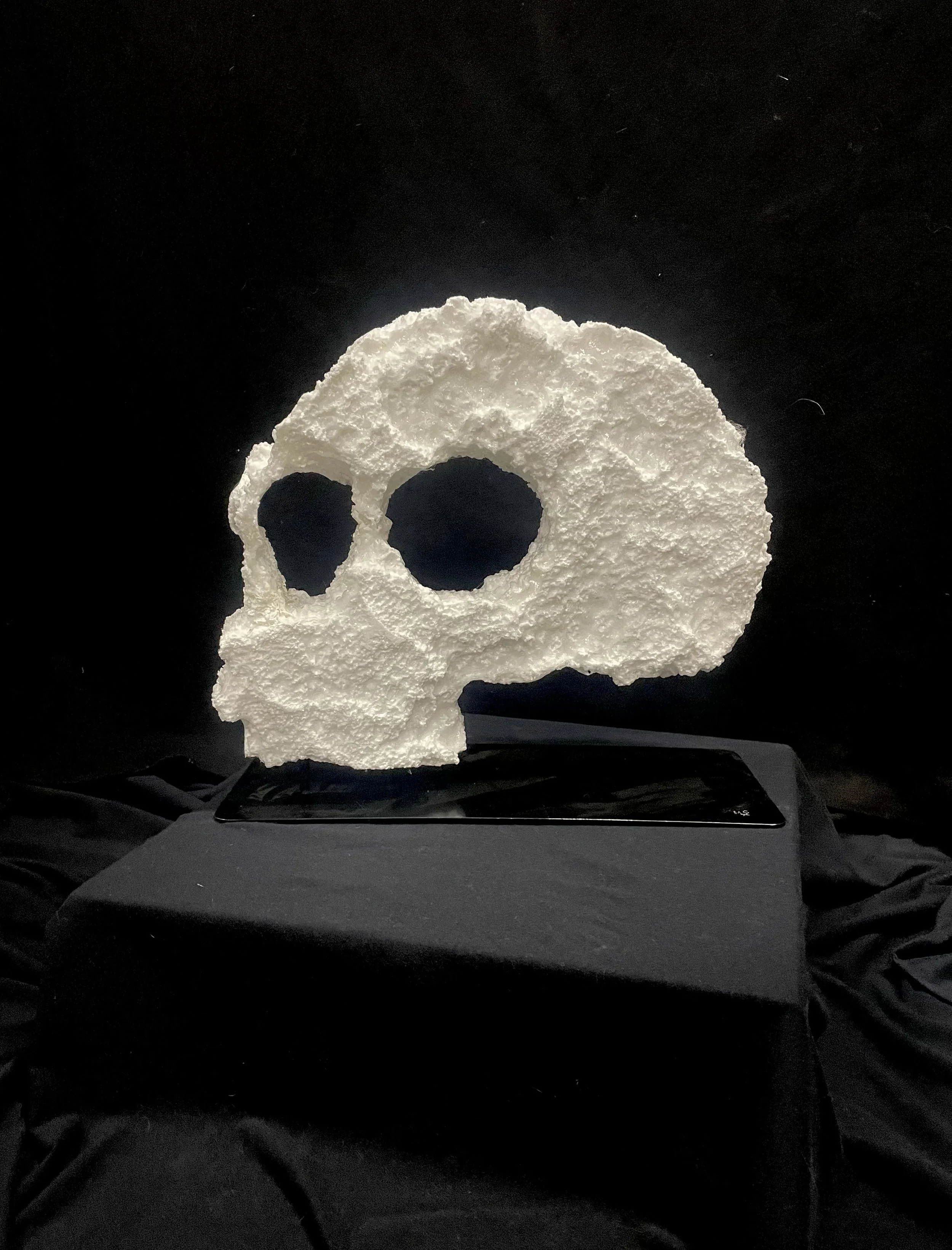
Neanderthal is a series of sculptural works constructed from polystyrene, steel, and concrete, taking the form of a Neanderthal skull. The concept engages with dualities—past and present, strength and fragility, permanence and decay. The polystyrene, a synthetic material notorious for its environmental impact, has been partially dissolved with solvent, creating a form that appears to melt or degrade. This transformation underscores the tension between solidity and dissolution, a material caught between states.
The choice of the Neanderthal references a being historically viewed as primitive or inferior. By aligning this figure with a material widely regarded as cheap, disposable, and damaging, the work explores the notion of “the negative”—both in how we define cultural or evolutionary value, and in how materiality speaks to environmental collapse. Neanderthal becomes a meditation on what we choose to preserve, what we discard, and how our judgments—whether about species or substances—reveal deeper fears and biases.
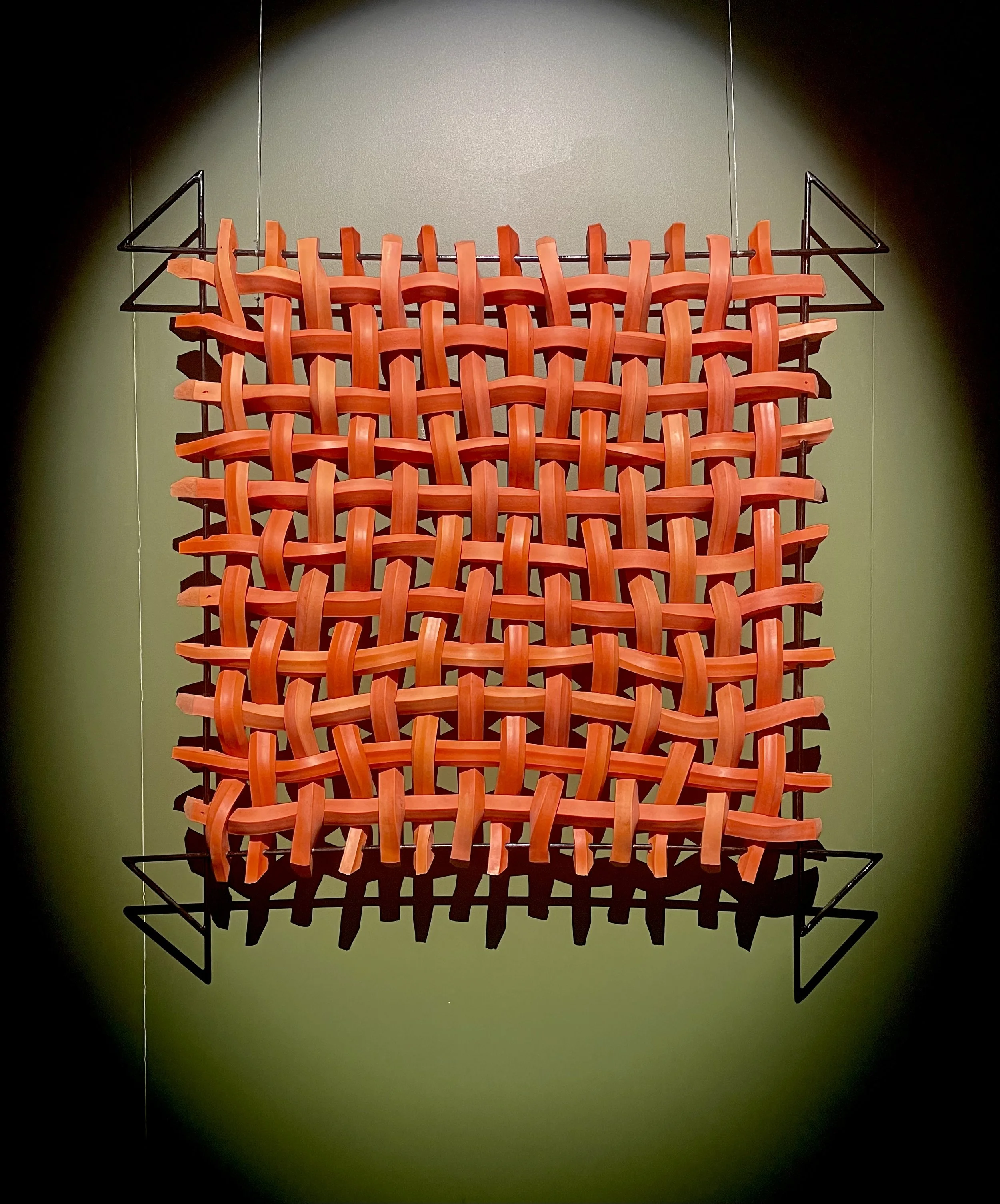
This section showcases a carefully curated collection of design pieces crafted from repurposed materials. Each work explores an alternative narrative, aiming to alter and redefine the materiality and perception as it transitions into installations that engage with artistic spaces.
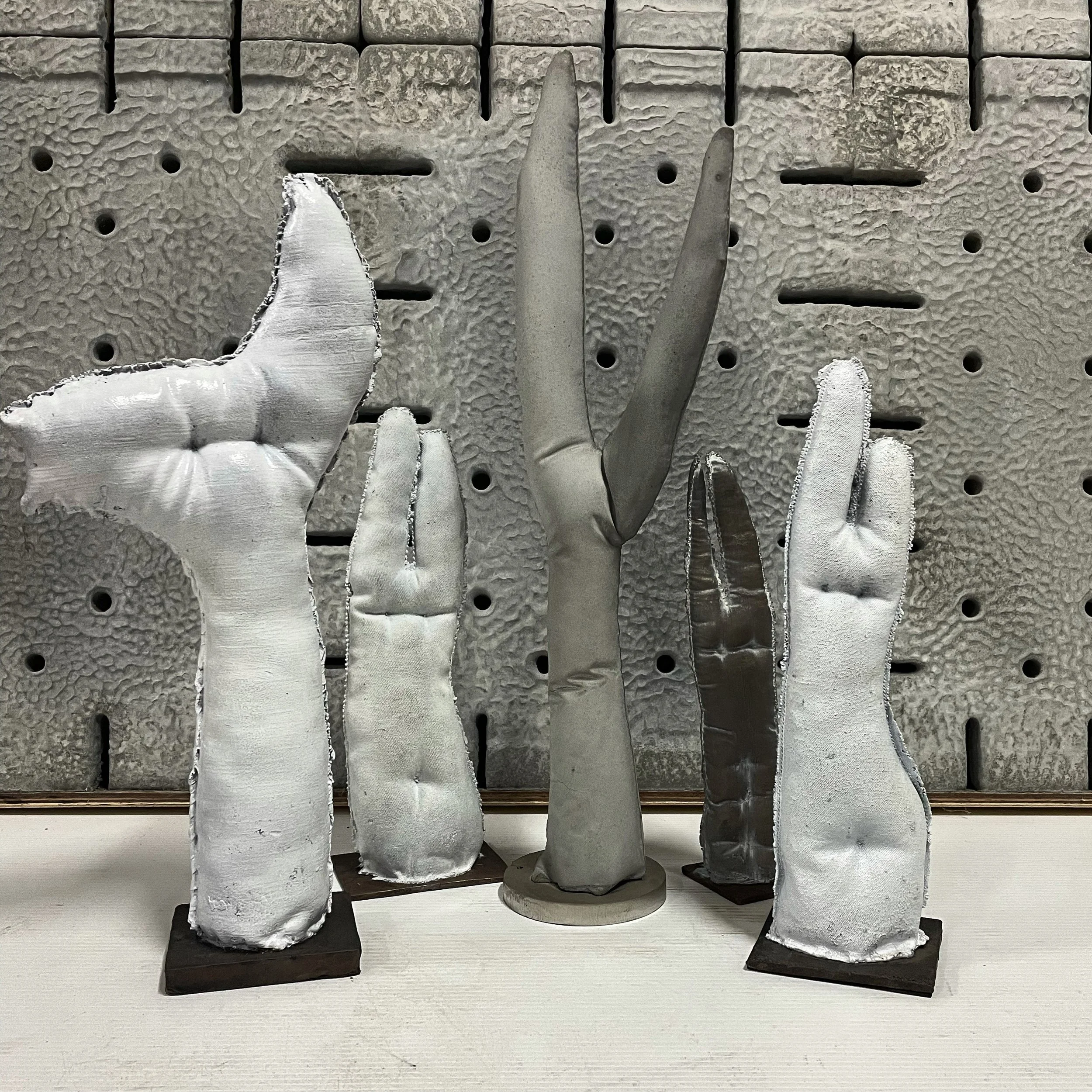
This selection of small maquettes and bronze artworks explores a variety of design techniques, ranging from soft-formed to tape-bound constructed pieces. Created with readily available materials and executed swiftly, these objects serve as both tools and inspirations in the design process, facilitating development and informing the final execution.
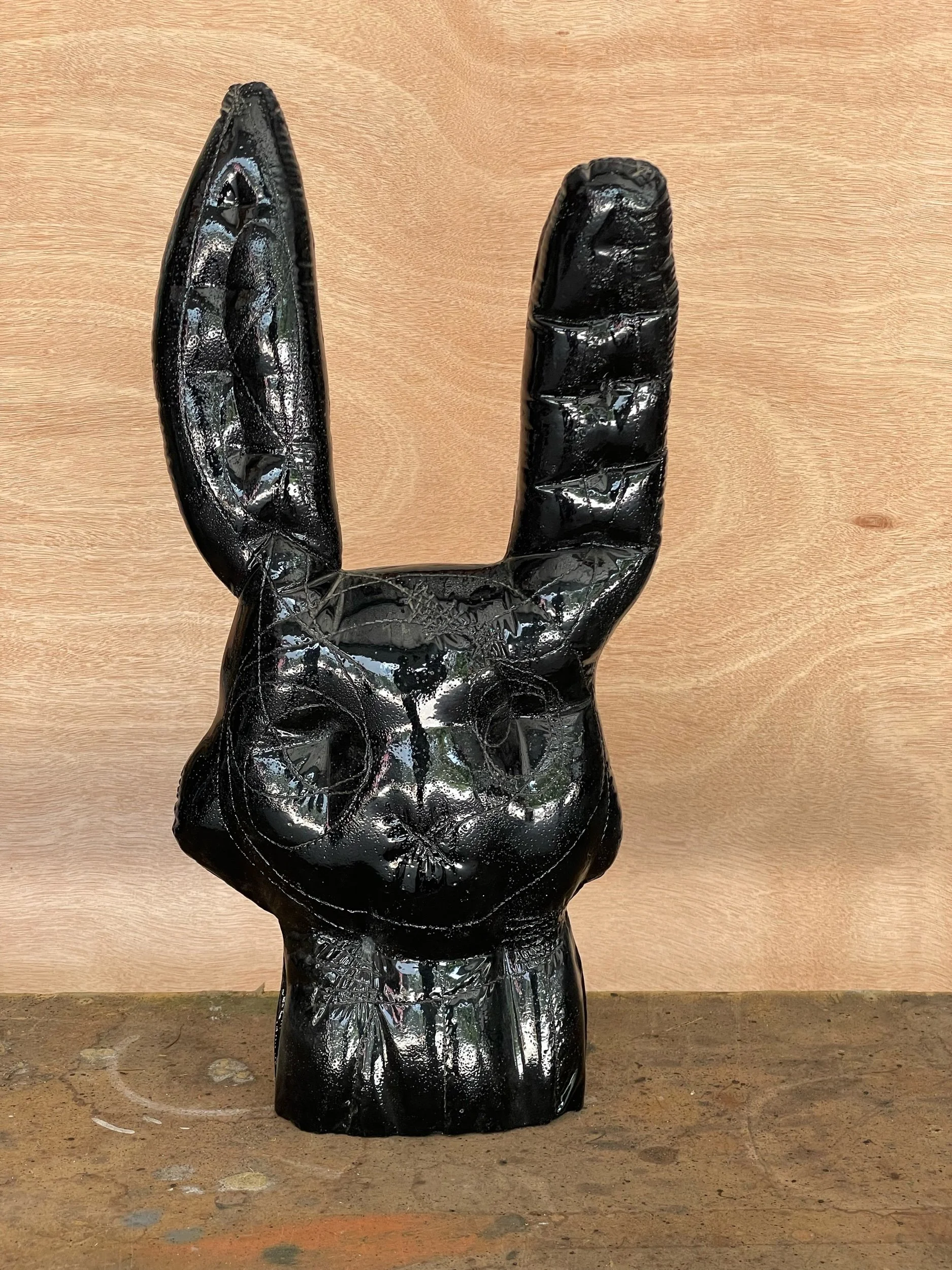
I’m drawn to concrete for its raw, sculptural potential and its tension between permanence and imperfection. In my practice, it serves as both material and metaphor—shaped by hand yet grounded in industry. Globally ubiquitous and environmentally fraught, concrete carries the weight of modernity. I use it to explore form, fragility, and the complex legacy of the built environment.